
When You Need a Portable Generator
A portable generator offers flexibility that a standby generator cannot match. You can use it for weekend camping trips, tailgating at TIAA Bank Field, powering tools at a job site, or as emergency backup power during hurricane season. Portable generators are affordable, easy to store, and provide electricity wherever you need it without permanent installation or ongoing maintenance contracts.
Jacksonville experiences power outages from hurricanes, tropical storms, and summer thunderstorms. While a portable generator requires manual setup and fuel management, it delivers reliable backup power for your most essential appliances. You can keep your refrigerator running, charge phones and medical devices, power fans or a window AC unit, and maintain basic comfort during multi-day outages without the cost of a permanent standby system.
You need a portable generator if:
- You want affordable backup power without a major installation project
- You need power for camping, tailgating, or job sites
- You experience occasional power outages during Jacksonville storms
- You want the flexibility to take your generator wherever you need it
- You do not need to power your entire home or air conditioning system
- You are not home during outages and cannot justify the cost of an automatic standby system
Our Portable Generator Setup Process
Pure Power Electrical helps Jacksonville homeowners select the right portable generator and install manual transfer switches for safe, convenient operation. Here is what our process includes:
- Load calculation: We help you identify which circuits you need to power during an outage and calculate the total wattage required
- Generator sizing: We recommend the right generator size based on your essential load, from compact 3,000-watt inverter models to heavy-duty 10,000-watt units
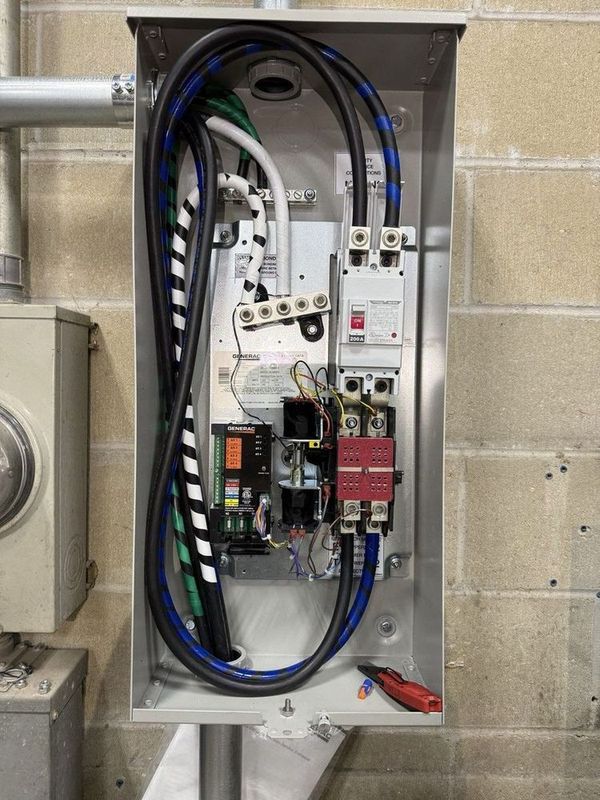
- Transfer switch installation: We install a manual transfer switch that connects your portable generator safely to your electrical panel without the risk of backfeeding
- Inlet box installation: We mount an exterior inlet box where you plug in your generator during outages
- Safety training: We show you how to operate your generator safely, including proper placement, fueling, and maintenance
A manual transfer switch is the safest and most convenient way to use a portable generator at your home. Instead of running extension cords through windows and doors, the transfer switch connects your generator directly to selected circuits in your electrical panel. You choose which circuits to power, flip the transfer switch, plug in the generator, and you are back online.
Choosing the Right Size Portable Generator
Generator sizing comes down to one question: what do you need to power? Add up the wattage of the appliances and devices you want to run at the same time, then choose a generator with a running wattage that exceeds that total. Here is a quick breakdown of common loads for Jacksonville homes:
- Refrigerator: 600 to 800 watts running, 1,200 to 2,000 watts starting
- Window AC unit (10,000 BTU): 1,200 to 1,500 watts running, 3,000 to 4,000 watts starting
- Sump pump: 800 to 1,200 watts running, 2,000 to 3,000 watts starting
- LED lights (per bulb): 10 to 20 watts
- Phone charger: 5 to 10 watts
- Laptop: 50 to 100 watts
- Television: 100 to 400 watts
- Microwave: 600 to 1,200 watts
- Coffee maker: 800 to 1,200 watts
For most Jacksonville households, a 7,000 to 8,000-watt portable generator handles the essentials during an outage. This size can power a refrigerator, a few lights, fans, a TV, and charge devices. If you want to run a window AC unit or larger appliances, consider a 9,000 to 10,000-watt model. Smaller 3,000 to 5,000-watt inverter generators work well for camping, tailgating, and light backup needs.

Safety Rules for Portable Generator Operation
Portable generators are simple to operate, but safety comes first. Here are the critical rules that every Jacksonville homeowner needs to follow when running a portable generator during a power outage:
- Never run a generator indoors: Carbon monoxide is odorless and deadly. Always operate your generator outdoors at least 20 feet from your home, garage, and windows. Point the exhaust away from the building.
- Never backfeed your electrical panel: Plugging a generator into an outlet to power your panel is illegal and dangerous. It can kill utility workers and destroy your generator. Use a manual transfer switch instead.
- Use heavy-duty extension cords: Standard household cords cannot handle generator loads. Use 12-gauge or thicker outdoor-rated extension cords with three-prong grounded plugs.
- Refuel safely: Always shut the generator off and let the engine cool for at least 10 minutes before adding fuel. Spilling gas on a hot engine can cause a fire.
- Ground the generator if needed: Most modern portable generators with three-prong outlets do not require additional grounding, but check your owner's manual to be sure.
Portable Generator Cost in Jacksonville
Portable generator costs vary based on the size and features you need. Here are typical price ranges for Jacksonville homeowners:
- Small inverter generators (2,000 to 3,500 watts): The most affordable option, ideal for camping and light backup. Cost depends on brand and features.
- Mid-size portable generators (4,000 to 7,000 watts): Suitable for essentials during outages. Pricing varies by brand, output quality, and included features.
- Large portable generators (8,000 to 12,000 watts): Can power most of your home's essential circuits. Cost depends on power output and build quality.
- Manual transfer switch installation: Cost depends on the number of circuits and panel location. We provide a detailed quote before any work begins.
Once the transfer switch is installed, you simply wheel your portable generator outside during an outage, plug in the power cable, start the generator, and flip the transfer switch. No more juggling extension cords or worrying about overloading outlets.
Call (904) 544-0434 or request a free estimate to get exact pricing for your Jacksonville home.
Why Choose Pure Power Electrical
Pure Power Electrical helps Jacksonville homeowners select, install transfer switches for, and maintain portable generators. Whether you need a compact inverter generator for camping or a heavy-duty unit for whole-home backup, we provide honest advice and professional installation.
What sets us apart:
- Fully licensed electrical contractor in Florida
- 5.0-star Google rating with 100+ verified reviews
- Free consultations to help you choose the right generator size
- Professional transfer switch installation with permits and inspection
- Safety training included with every installation
- Service and maintenance available for all generator brands
- Serving Jacksonville, Orange Park, Fleming Island, St. Johns, and Ponte Vedra
Frequently Asked Questions
What size portable generator do I need for my home?
For emergency home backup, most Jacksonville homeowners need a portable generator between 5,000 and 10,000 watts. A 7,500-watt unit can power your refrigerator, a few lights, fans, and charge devices. Larger 10,000-watt models can run a window AC unit and additional appliances. Pure Power Electrical helps you calculate your essential load and choose the right size.
Can I connect a portable generator directly to my electrical panel?
Yes, but it must be done safely through a manual transfer switch. Never backfeed your panel by plugging a generator into an outlet. Pure Power Electrical installs transfer switches that allow you to connect a portable generator safely to selected circuits in your home without the risk of electrocution or damaging the generator.
How long can a portable generator run on a tank of gas?
Runtime depends on the generator size and the load. A typical 7,000-watt portable generator with a 6 to 8 gallon fuel tank runs 8 to 12 hours at 50 percent load. Smaller loads extend runtime, while running at full capacity reduces it. Always refuel outdoors after the engine cools down.
Is it safe to run a portable generator in my garage during a storm?
No. Portable generators produce carbon monoxide, a deadly odorless gas. Always run your generator outdoors at least 20 feet from your home, garage, and windows. Point the exhaust away from the house and never operate a generator in an enclosed space even with the garage door open.
Do portable generators need maintenance?
Yes. Change the oil after the first 20 hours of use, then every 50 to 100 hours or annually. Keep the air filter clean, check spark plugs, and run the generator under load for 30 minutes every few months. Store gasoline with fuel stabilizer if the unit will sit unused for more than a month.